


-

Add: HeBei ShengShi HongBang Cellulose Technology CO.,LTD.
-

Email
13180486930@163.com -

CONTACT US
+86 13180486930



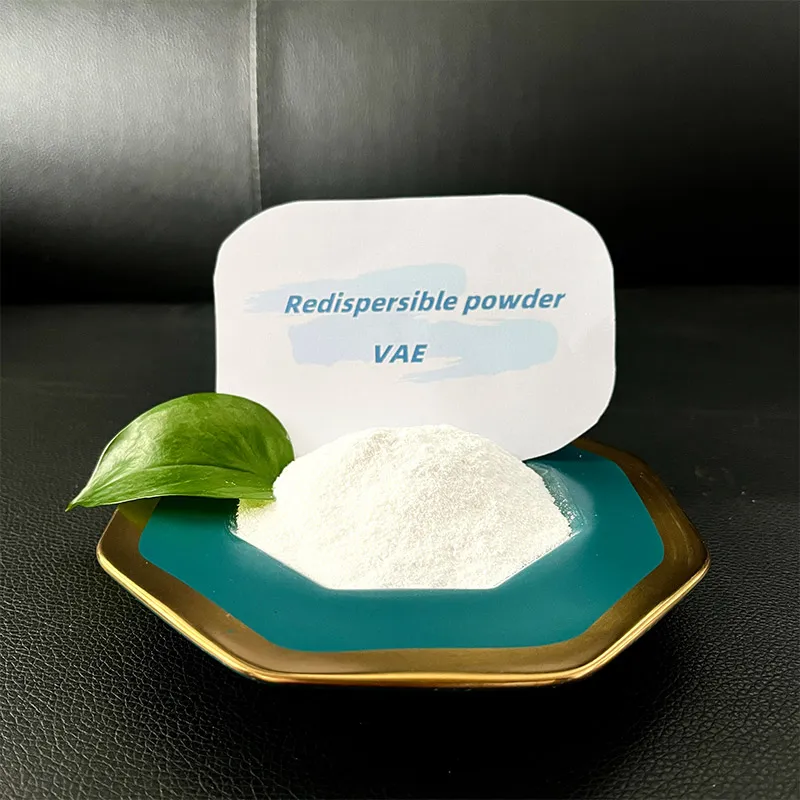
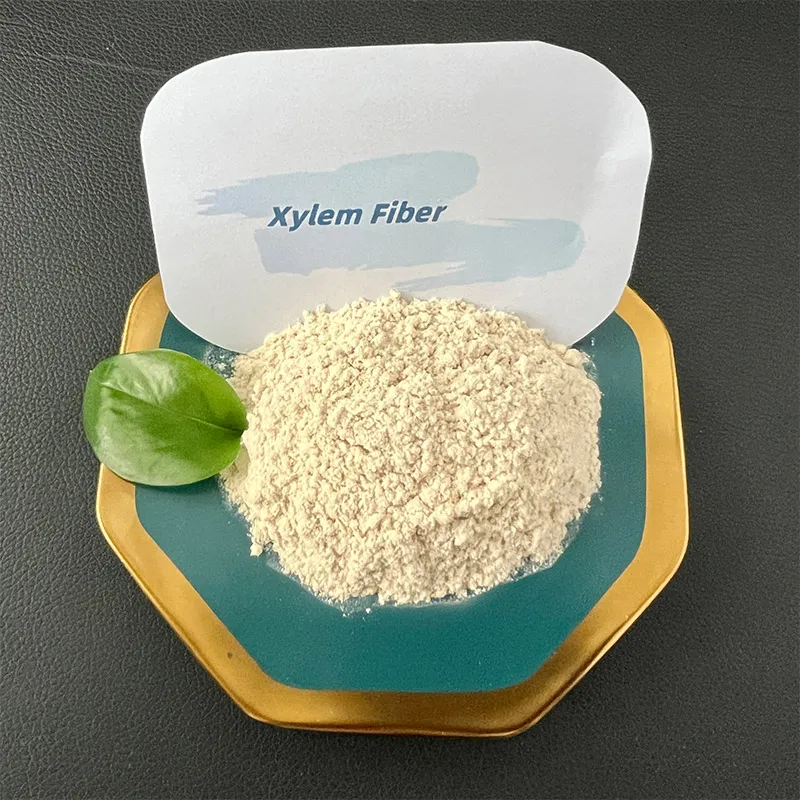
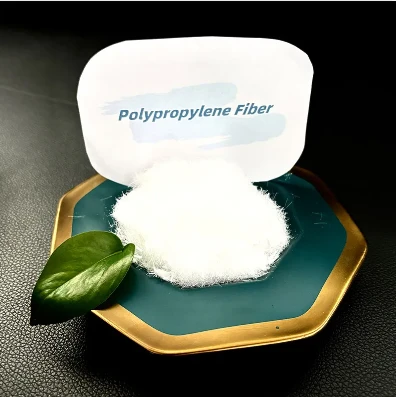


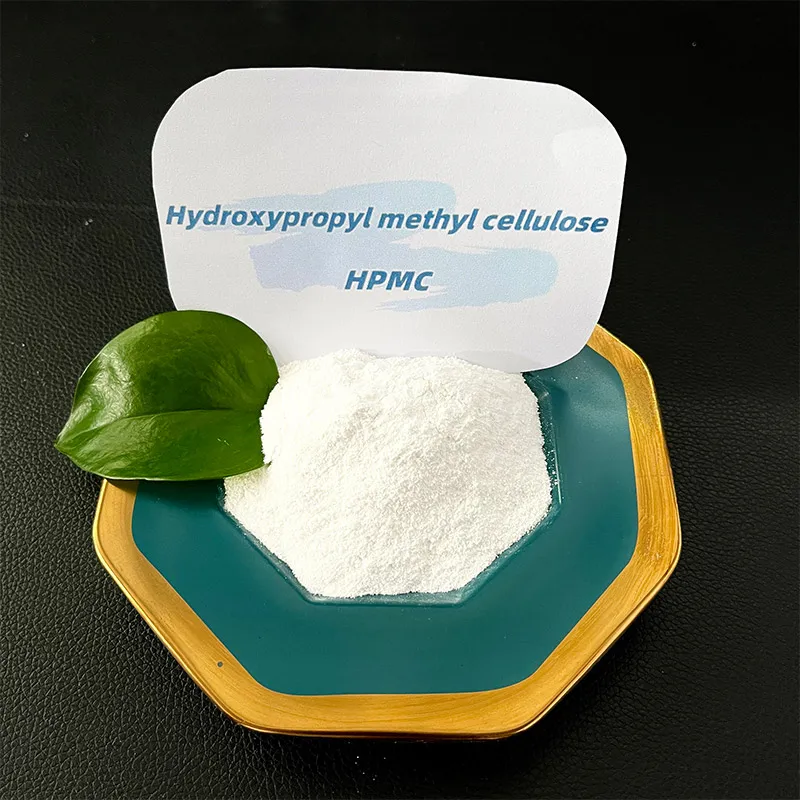
Hydroxypropyl methylcellulose (HPMC), also known as hypromellose, is a versatile compound used in various industries due to its valuable properties. With a unique blend of stabilizing, thickening, and film-forming abilities, it stands out especially in the pharmaceutical, food, and construction sectors. Understanding its features, applications, and benefits can offer a deeper insight into why HPMC is a crucial component in many formulations today. One of the distinguishing qualities of HPMC is its origin. Derived from cellulose, a natural polymer, it combines nature's reliability with chemical innovation. Through a process of etherification, cellulose undergoes transformation, enhancing its solubility and thermal stability—key factors contributing to its widespread usage. Because it is non-toxic, biodegradable, and shows excellent compatibility with a wide range of substances, it is esteemed for its safety profile, ensuring trust and reliability in its applications. In the pharmaceutical realm, HPMC plays a pivotal role as an excipient. It is commonly used as a binder in tablets, where it helps in sustaining the release of active ingredients, making medications more effective over longer periods. Its use in ophthalmic solutions is another notable example, where HPMC acts as a lubricant, providing relief from dry eyes. This versatility demonstrates its therapeutic potential, enhancing the efficiency and efficacy of pharmaceutical preparations. The food industry also capitalizes on the remarkable characteristics of HPMC. It acts as a thickener, stabilizer, and emulsifier in various food products, from sauces and dressings to baked goods and dairy items. Its ability to maintain moisture and improve texture without altering the taste makes it invaluable, contributing both to product consistency and consumer satisfaction. what is hydroxypropyl methyl cellulose Further endorsing its multi-industry prevalence is HPMC's role in construction. Here, it is integral to the formulation of many modern building materials. Used in cement renders, gypsum products, and tile adhesives, HPMC improves workability and adhesion while reducing water retention. These properties enhance the durability and longevity of construction applications, confirming its importance in structural integrity. Moreover, the resilience of HPMC in varying temperatures—retaining its properties from freezing to boiling points—adds to its adaptability and reliability in different environmental conditions. As global standards call for more environmentally friendly and efficient materials, HPMC aligns perfectly with these needs. As a biodegradable substance, it provides an environmentally conscious option for companies seeking sustainable solutions, further cementing its status as a preferred choice in manufacturing. In conclusion, hydroxypropyl methylcellulose is more than a mere chemical entity; it embodies the intersection of safety , efficacy, and functionality. Whether utilized in pharmaceuticals, food products, or construction, HPMC stands as a testament to innovation in material science. Its integration into various sectors underscores its necessity and versatility, making it an irreplaceable ingredient in modern industry applications. As industries continue to evolve, the reliance on materials like HPMC that deliver consistent quality while adhering to safety and environmental protocols will undoubtedly increase, paving the way for future advancements.
- 40000tons

Production
- 20+years

Experience
- 5000+㎡

Acreage

-

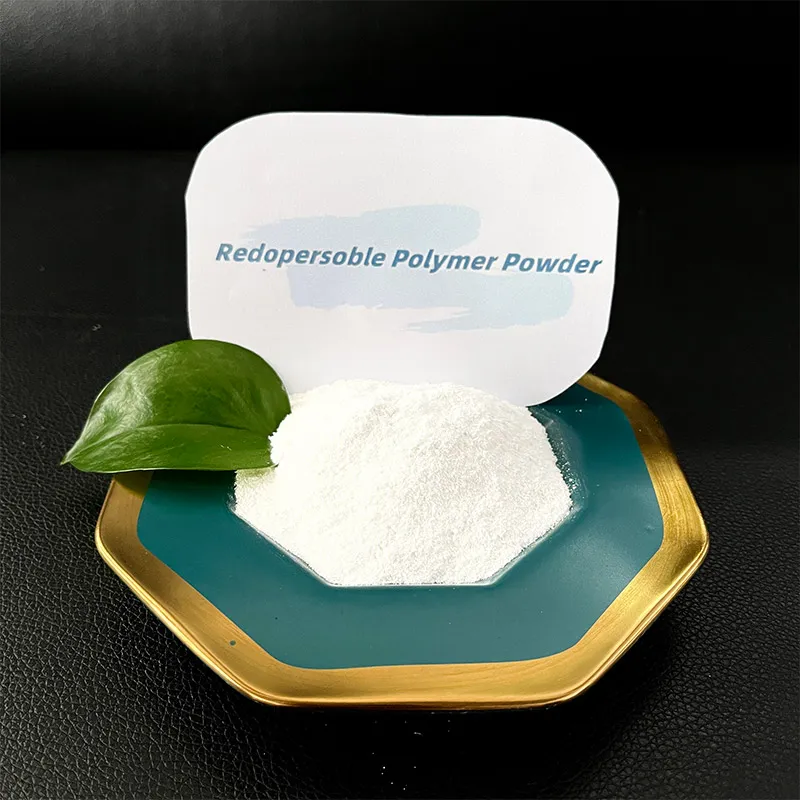
Understanding the Price of Dispersible Polymer Powder Trends and Implications The global market for dispersible polymer powders has seen significant growth over the past few years, driven by various factors including advancements in technology, evolving consumer preferences, and increasing applications across different industries. Dispersible polymer powders are widely used in construction, paints, coatings, adhesives, and even in the cosmetic industry due to their excellent binding properties and ability to create stable emulsions. Understanding the price dynamics of these products is essential for manufacturers, suppliers, and consumers alike. What Are Dispersible Polymer Powders? Dispersible polymer powders are dry powders that can be easily re-dispersed in water to form stable dispersions. They are primarily used to enhance the performance of various formulations in the construction sector, particularly in tile adhesives, mortars, and other construction materials. These polymers improve adhesion, flexibility, and water resistance, making them a vital component in modern construction projects. Factors Influencing the Price of Dispersible Polymer Powder 1. Raw Material Costs The price of dispersible polymer powders is significantly influenced by the cost of raw materials. As oil prices fluctuate, the cost of petroleum-based raw materials can impact production costs for polymer manufacturers. Additionally, the availability of renewable raw materials can also play a crucial role in price determination. . 3. Market Demand The demand for dispersible polymer powders is on the rise due to the increasing construction activities and the growing reliance on high-performance materials. This demand pushes prices upward, especially in regions experiencing rapid urban development. سعر مسحوق البوليمر القابل للتشتت 4. Global Supply Chain Issues Recent global events have highlighted the fragility of supply chains. Disruptions caused by the COVID-19 pandemic, geopolitical tensions, or natural disasters can lead to shortages of raw materials, subsequently increasing prices. These supply chain complexities necessitate careful monitoring and strategic planning by companies involved in the market. 5. Sustainability Trends With an increasing emphasis on sustainability, many companies are investing in producing eco-friendly dispersible polymer powders. While these green alternatives may initially have higher production costs, the long-term benefits and rising consumer demand for sustainable products may justify the higher price point. Current Market Trends As of 2023, the dispersible polymer powder market has experienced moderate growth. Market analysts predict that this trend will continue as developing economies focus on infrastructure development and renovation projects. Moreover, there is a noticeable shift towards higher performance and specialty dispersible polymers, catering to specific applications, which may come at a premium price. Conclusion Understanding the pricing of dispersible polymer powders is crucial for stakeholders across the industry. The interplay of raw material costs, technological advancements, market demand, supply chain dynamics, and sustainability trends shapes the landscape of this market. As the global economy moves forward, it will be important for manufacturers and consumers to remain agile and adapt to these changing trends. For businesses involved in the production or application of dispersible polymer powders, keeping abreast of market trends and pricing dynamics will not only ensure competitiveness but also allow for better strategic planning and investment decisions. Moreover, as sustainability becomes a focal point in various industries, those who invest wisely in eco-friendly alternatives may not only help the environment but also capture a growing segment of environmentally conscious customers.
-
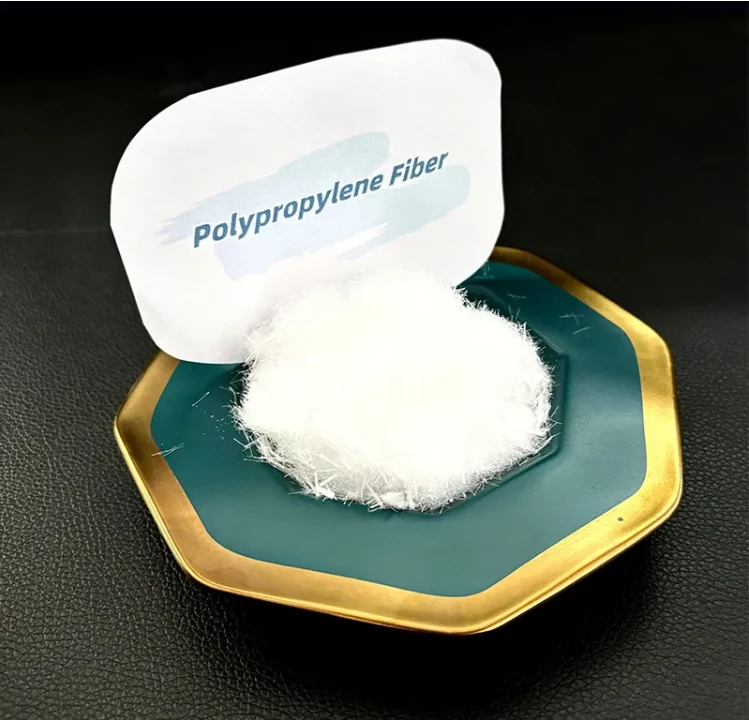
For companies in the pharmaceutical, construction, and food industries, a dependable source of Hydroxypropyl Methylcellulose (HPMC) is crucial. HPMC, a versatile polymer, serves as a key ingredient in many industrial applications. Decoding the journey of becoming an adept HPMC buyer opens numerous opportunities, yet it requires profound understanding and vigilance. The landscape of HPMC suppliers can be complex, with variations in quality and production standards. Establishing relationships with reputable suppliers should be a priority for any company. Firstly, it's essential to evaluate the supplier's consistency in delivering high-grade HPMC. A qualified supplier not only provides certifications but also abides by the regulations of international standards such as ISO. This indicates their commitment to maintaining quality, thereby building trust. Discerning HPMC buyers often start with thorough research. Resources such as industry journals and digital platforms can offer insights into different grades and types of HPMC available. It is beneficial to compare technical specifications across suppliers to understand the best fit for your application's needs. Additionally, reaching out to industry professionals for endorsements can enhance supplier credibility, bolstering confidence in your selection. In terms of expertise, having a seasoned purchasing team is pivotal. A team well-versed in HPMC's properties and applications can identify the right type of product required for specific processes—whether it’s for its thickening, emulsifying, or binding properties. Regular training workshops and exposure to new industry developments are instrumental in maintaining cutting-edge knowledge and expertise. Experience in handling HPMC procurement involves a strategic balance between demand forecasting and supply chain management. Successful buyers invest in robust supply chain systems that allow precise demand anticipation, ensuring that production isn’t stalled by unexpected shortages. These systems can also facilitate smooth communication channels between suppliers and buyers, essential for navigating market fluctuations. Another aspect critical to being an authoritative HPMC buyer is sustainability. Engaging with suppliers that prioritize environmentally friendly production processes not only helps in meeting corporate social responsibility goals but also resonates with today’s environmentally-conscious consumers. Opt for suppliers who demonstrate transparency in their supply chains, thus allowing for traceability, which is a growing demand in global markets. hpmc buyer The decision-making process extends beyond just the product . Negotiate contracts with clear terms regarding delivery schedules, return policies, and contingencies for delays or defects. An authoritative buyer will ensure these contracts also include clauses for scalability as needs evolve, providing flexibility for future growth. Building a trustworthy reputation in HPMC procurement also involves leveraging technology. Investing in digital procurement tools can streamline operations, reduce errors, and improve analytics, offering insights that shape informed decision-making. Additionally, these tools provide real-time updates, enhancing the buyer’s ability to adapt promptly to market changes or unforeseen circumstances. Ensuring reliability also pertains to post-purchasing services. Engage suppliers who offer comprehensive support, including technical advice, troubleshooting, and training to maximize the product’s utility. Establishing such partnerships allows for continuous improvement and innovation in resource utilization. Security is another indispensable element. Protect your enterprise by using secure systems for financial transactions and supplier communication, shielding it from cyber threats. Strong data protection protocols enhance trust within the buyer-supplier relationship and safeguard corporate interests. Ultimately, the quest to become a distinguished HPMC buyer is ongoing. Continuous market analysis, investment in expertise, and embracing technological advancements are key strategies for sustaining authority and trustworthiness in the field. As industries evolve, so should your procurement strategies, ensuring that not only does the product meet technical specifications but also aligns with broader business goals and aspirations. The journey of an HPMC buyer transcends beyond purchase—it encapsulates a commitment to quality, sustainability, and strategic growth.
advantages
-

200000 Viscosities
Excellent product
We can produce pure products up to 200,000 viscosities
-

40000 tons
High yield
We don’t stop production all year round, and the annual output can reach 40,000 tons
-

24 hours
Quality service
We provide 24-hours online reception service, welcome to consult at any time
———— Inquiry Form
Schedule A services


-
 poda_ya_mpira_inayoweza_kusambazwa_tena
Oct . 25, 2025
Company Overview HeBei ShengShi HongBang Cellulose Technology CO.,LTD. Visit Official Website Tel: + -
 hpmc_4000_cps
Oct . 25, 2025
The Significance of Nylon Fiber in Modern Textiles Nylon fiber, first introduced in the 1930s, revol -
 hpmc_meaning
Oct . 25, 2025
In the demanding world of construction finishes, controlling time is paramount. A plaster retarder s


